If this isn't the first leak under your floor, a repipe after a slab leak in Seagoville is worth pricing alongside another repair. Instead of chasing the next failure, the house gets new supply lines throughout, run through the attic and walls rather than under the concrete.
We connect homeowners with experienced local plumbing pros who can lay out repair, reroute and repipe side by side, with upfront pricing for each. Call and tell us how many leaks the house has had and roughly when it was built. A tech can come out the same day where available to look at the plumbing and talk through what makes sense for your home. To see how a repipe sits alongside the other routes, start on the slab leak Seagoville home page.
When repeat leaks point to a whole house repipe
One leak can be bad luck. Two or three on the same system usually point to something wider: pipe of the same age, in the same soil, under the same stresses, wearing out together. Each new spot repair fixes one section and leaves the rest as it was.
A whole house repipe changes the question from "where will the next leak be?" to "what should the plumbing look like for the next stretch of the home's life?" It's a bigger project than a single repair, but for homes with a history of leaks, it often makes more sense than paying for opening after opening. Knowing the signs of slab leak trouble helps you spot a pattern early.
A useful way to think about it: add up what the last leak cost in plumbing, flooring and disruption, then ask what the next one would cost. If the answer suggests more of the same is coming, the tech can price a repipe so you're comparing real numbers, not guesses.
PEX repipe after leaks, or copper?
Most repipes in slab homes use either PEX or copper. Both are widely used supply materials, and the right choice depends on the house, the route and your preferences. The tech will explain the options for your job and price them so you can compare.
| PEX | Copper | |
|---|---|---|
| What it is | Flexible plastic tubing | Rigid metal pipe |
| How it's run | Bends around framing with fewer joints | Cut and joined at each turn |
| Wall openings | Can often be fished through smaller openings | May need more access at fittings |
| What to ask | Fitting type and how attic runs are protected | Pipe type and how joints are made |
PEX is common in newer Seagoville homes and in many repipes because it suits attic routing well. Some homeowners prefer copper for familiarity. Either way, ask for both prices before deciding, and ask how the new lines will be supported and protected where they cross the attic, since that detail matters as much as the material itself.
How a repipe works in a slab house
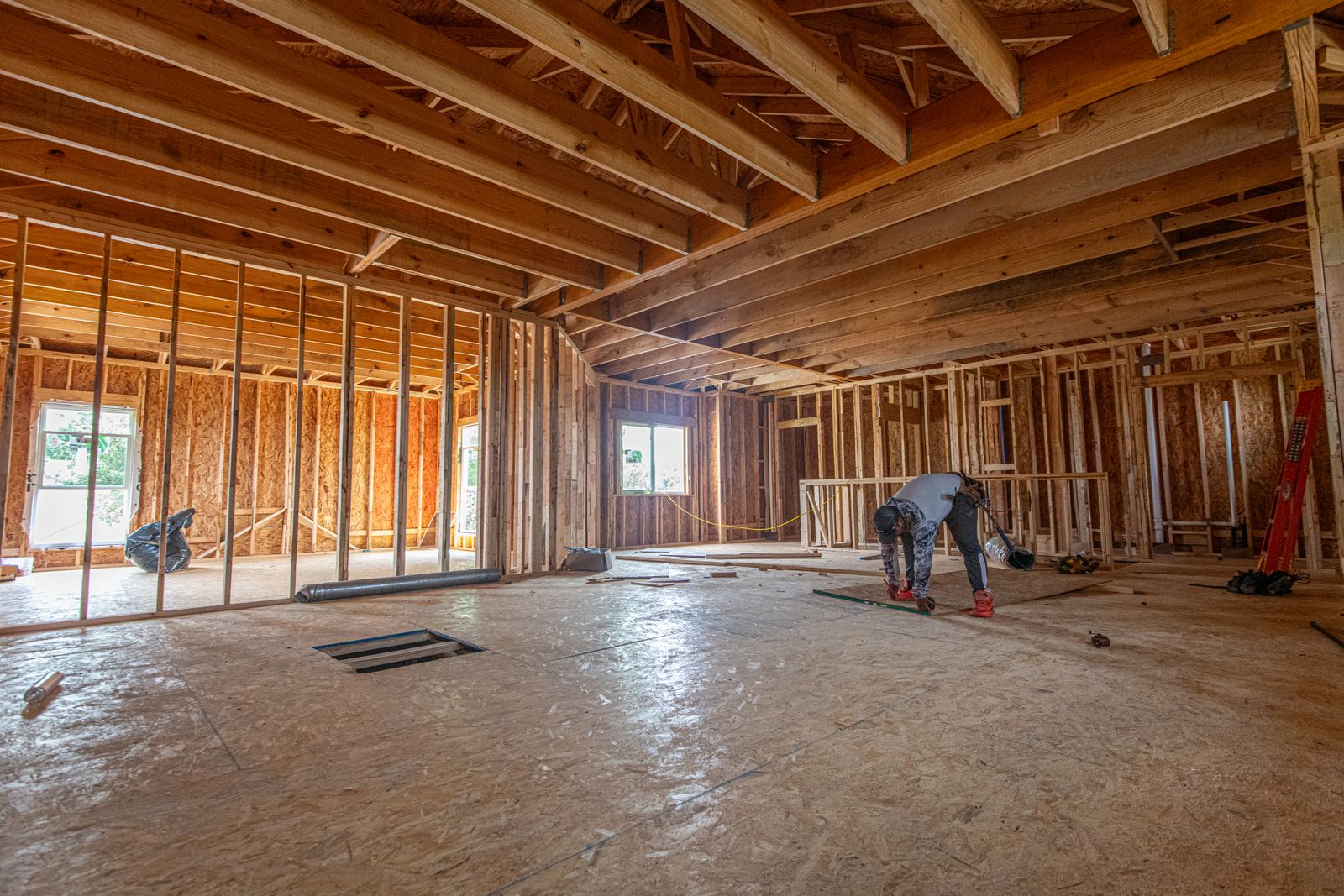
In a repipe slab house project, the old supply lines are left in the concrete and disconnected. New lines start near where the water enters, run up into the attic, and drop down inside the walls to each fixture: sinks, tubs and showers, toilets, the water heater, the washer and outdoor spigots.
The work usually goes room by room. Small openings are made in drywall where the lines come down, the new pipe is connected and tested, and the old connections are capped. Hot and cold lines are both replaced, which is why a repipe also deals with the side most prone to slab leaks, covered on the hot water slab leak page.
What the process looks like
- A walk-through of the house to plan the route and mark access points.
- A clear scope and upfront pricing before any work begins.
- New lines installed through the attic and walls, fixture by fixture.
- Each section tested before the old line is disconnected.
- Openings closed, and the work area cleaned up.
Once everything is connected, the tech runs water at each fixture to check flow and look for drips at the new connections. Ask on the call how drywall finishing is handled, so you know whether texture and paint are part of the job or something to arrange separately.
Planning around daily life
Most families stay at home during a repipe. Water is turned off for parts of the work, and many crews plan to restore it at the end of each working day. Ask how yours will schedule it and when the kitchen or a bathroom will be out of use.
It helps to clear closets near bathrooms, give access to the attic hatch, and move fragile items away from walls that will be opened. If anyone at home works from home or needs reliable water at particular times, say so up front so the schedule can account for it.
Had more than one leak? Get repair, reroute and repipe priced side by side before choosing.
Price a repipe today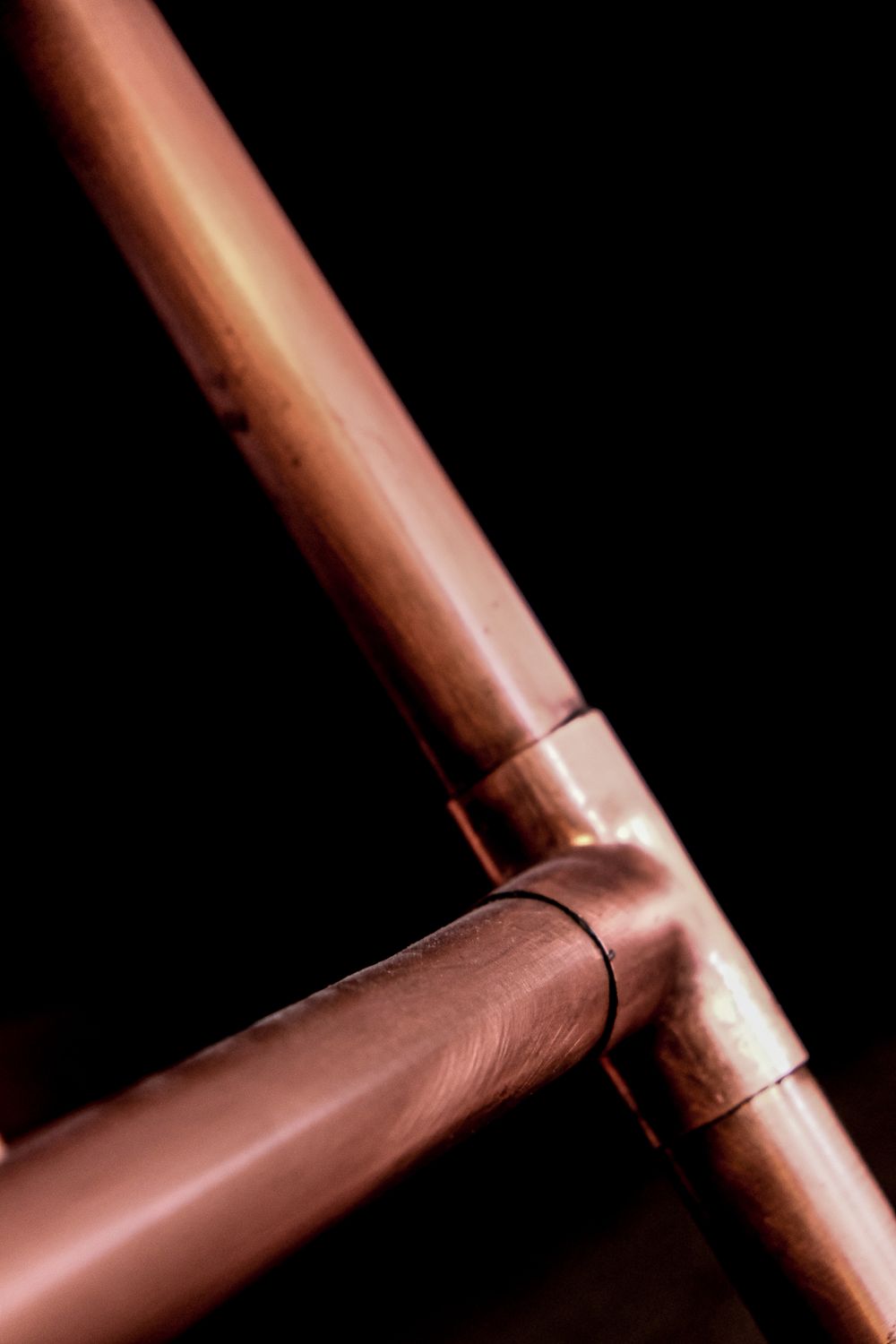
Repiping Seagoville homes
The homes most likely to need a repipe after a slab leak in Seagoville are the older ones. On the original town streets, 1950s to 1970s ranches have had their supply lines in the slab the longest, and once one leak appears, others often follow. That pattern shows up in calls about slab leak repair in Downtown Seagoville, where a repipe is often on the table by the second leak.
The 1980s and 1990s neighbourhoods are next in line. Copper there has reached the age where leaks become more frequent, and clay soil that shifts with moisture can add stress at older joints. If you've had a second leak in a house of that era, ask about slab leak repair in North Seagoville and a repipe together. Newer PEX homes rarely need one. Homes on piers out on the acreage have their lines in open space under the house, so a repipe there is a different job and not a slab question at all.