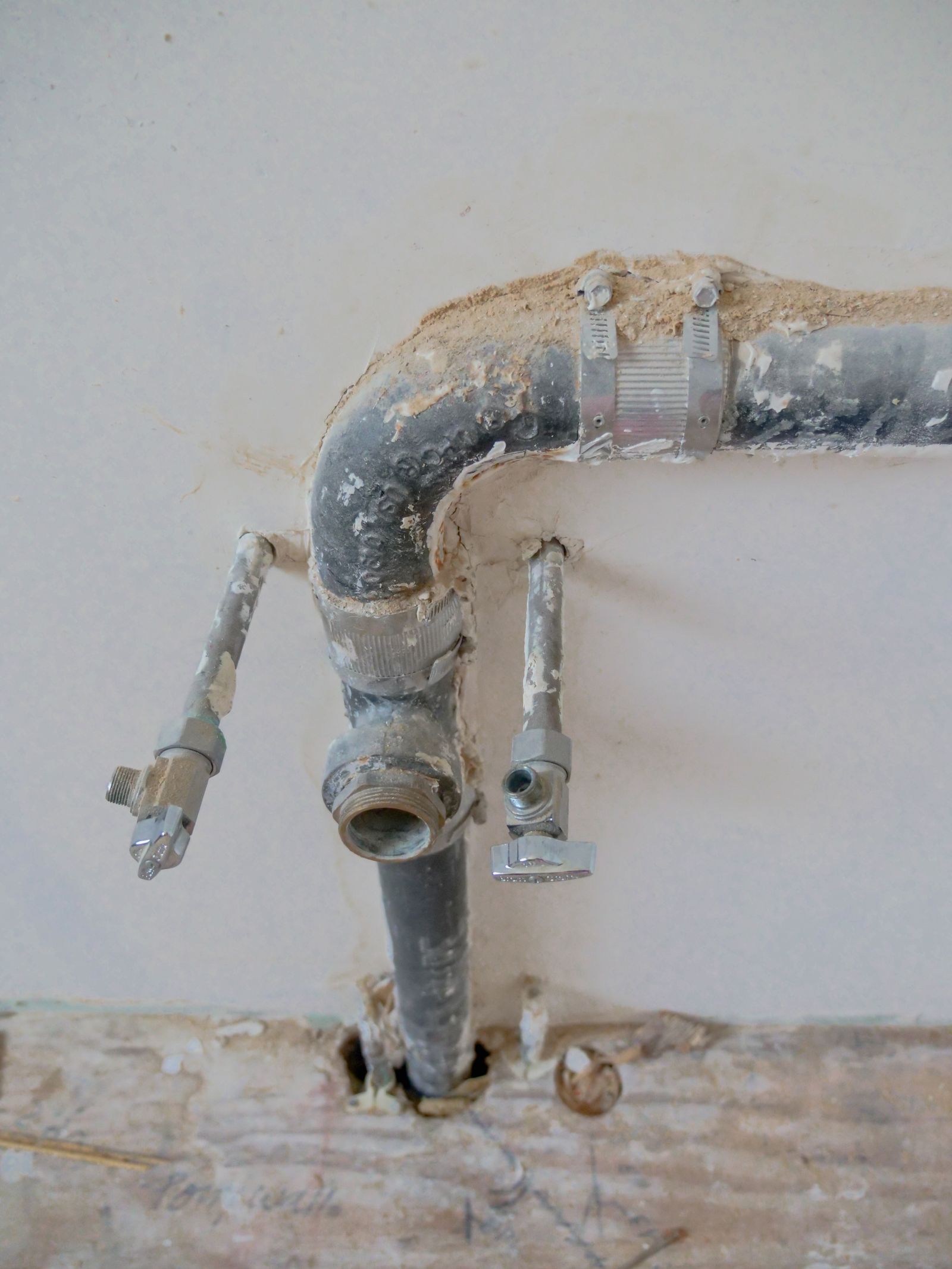
A slab leak reroute in Seagoville takes the leaking line out of service instead of digging it up. The old pipe stays where it is under the concrete, capped off, and a new line carries water to the same fixtures by a route that never touches the slab.
We connect homeowners with local plumbing pros who can price a reroute alongside a repair, because it often fits the way homes here are built. If a leak has been found, or you suspect one, call and describe the situation. A tech can be sent the same day where available, and you'll hear the reroute and repair options side by side, each with upfront pricing. The slab leak Seagoville home page explains how a reroute compares with the other fixes.
Slab leak rerouting, explained
Most slab homes have their supply lines running under the foundation from the point where water enters the house to each bathroom and the kitchen. When one of those lines leaks, there are two ways to deal with it: open the slab and fix the pipe where it failed, or stop using that run and replace it with a new one somewhere else.
Slab leak rerouting is the second path. The tech disconnects the failed run at both ends, caps it, and installs a new line that starts at a convenient point and ends at the fixtures the old line used to feed. It can cover a single fixture, one side of the plumbing, or a larger section of the house.
Running a pipe reroute through attic or walls
The new line has to go somewhere, and in single-story slab homes the attic is often the most practical path. From there, drops come down inside the walls to the fixtures. In other homes, part or all of the route runs through interior walls or along a garage wall.
The tech chooses the route by looking at the layout: where the water enters, where the fixtures sit, where the access is easiest and where openings are least disruptive. Ask how the attic run will be insulated; that belongs in the plan and the price. PEX is a common choice for reroutes because it bends around framing with fewer fittings, though the tech will explain the materials for your job.
| Old under-slab line | Rerouted line | |
|---|---|---|
| Where it runs | Buried under the concrete foundation | Through the attic and inside walls |
| Access for future work | Means opening the slab | Reached from the attic or a wall |
| Soil movement | Sits in soil that can shift with moisture | Above the foundation |
| What gets opened now | Concrete and flooring over the leak | Small, planned drywall openings |
Why a reroute keeps future work out of the slab
The appeal of a reroute is simple: once the new line is overhead or in the walls, any future work on it doesn't mean breaking concrete or lifting tile. If something ever needs attention, the tech reaches it from the attic or through a wall, which is quicker to open and easier to close.
It doesn't make plumbing immune to problems, and nobody should promise that. What it changes is where those problems would be and how disruptive it is to reach them.
There's a practical upside during the job, too. Because the crew works mostly in the attic and inside walls, kitchens and bathrooms often stay usable for much of the work, and there's no concrete dust to clean up afterwards.
Drywall access and patching
Getting the new line from the attic to each fixture usually means a few small openings in drywall, often inside closets, behind appliances or under sinks where they won't show. The tech marks these before starting and keeps them as small as the work allows. Where one side of a wall has tile or cabinets, the opening usually goes on the other side.
Once the line is in and tested, the openings are closed. How they're finished, including texture and paint, is worth asking about on the call, so you know what the walls will look like when the crew leaves.
When to reroute instead of repairing in place
A reroute is often the better choice when the leak sits under something you don't want disturbed, such as a tiled shower or a kitchen island; when the line is older and other weak spots are likely; when it's the hot line, which tends to be the one that fails; or when a second leak has appeared. In those cases, choosing to reroute a water line after a slab leak, rather than chase each new one, avoids paying for one opening after another.
A single first leak on an otherwise healthy line, in an open area, can still be a good candidate for a spot repair. If the problem is wider than one run, the conversation moves toward a repipe after slab leak trouble across the house.
Leak under a shower or kitchen island? Ask whether a reroute can leave that area untouched.
Call to compare reroute and repair
Reroutes in Seagoville homes
Single-story ranch homes make up much of the housing here, and their attics often give the tech a clear run from one end of the house to the other. In the 1950s to 1970s homes on the older town streets, where the original copper has been under the slab the longest, a slab leak reroute in Seagoville is often weighed first. If you're looking at slab leak repair in Downtown Seagoville, expect the tech to price both.
Hot lines are frequent candidates, too. When a warm floor points to a hot water slab leak, rerouting just the hot side can be a sensible middle ground. In newer PEX homes, where a single fitting failure is more likely, a spot repair may do the job, which is common with slab leak repair in South Seagoville.