A slab leak is a leak in a water line buried under a concrete slab foundation. The most reliable signs of a slab leak in Seagoville homes are a water meter that keeps moving with every fixture off, a water bill that rises without a change in use, and a warm or damp patch of floor with no visible source. One sign is worth checking; two or more together make a slab leak likely.
The sections below take each clue in turn: what it looks like, what else can cause it, and how to check it yourself before calling. If you'd rather skip straight to an answer, a local tech can confirm whether there's a leak and where it is. Once you're fairly sure, the slab leak Seagoville home page explains what a call involves.
Slab leak symptoms you can hear and measure
The meter. Turn off every faucet, appliance and sprinkler, then watch the water meter's leak indicator or sweep hand. If it keeps moving, water is leaving the system somewhere. This is the single most useful check you can do.
The bill. A high water bill leak pattern looks like a water bill spike that doesn't match any change in how the household uses water: no guests, no new garden, no extra laundry. Compare the same months from last year if you can. Summer bills naturally run higher when lawns are watered, so the comparison that matters is like-for-like.
The sound. In a quiet house, some people hear water running under floor tile or carpet, a faint hiss or trickle, often clearest at night. Put your ear near the floor in the room where it seems loudest and note the spot for the tech.
Floor, wall and baseboard clues
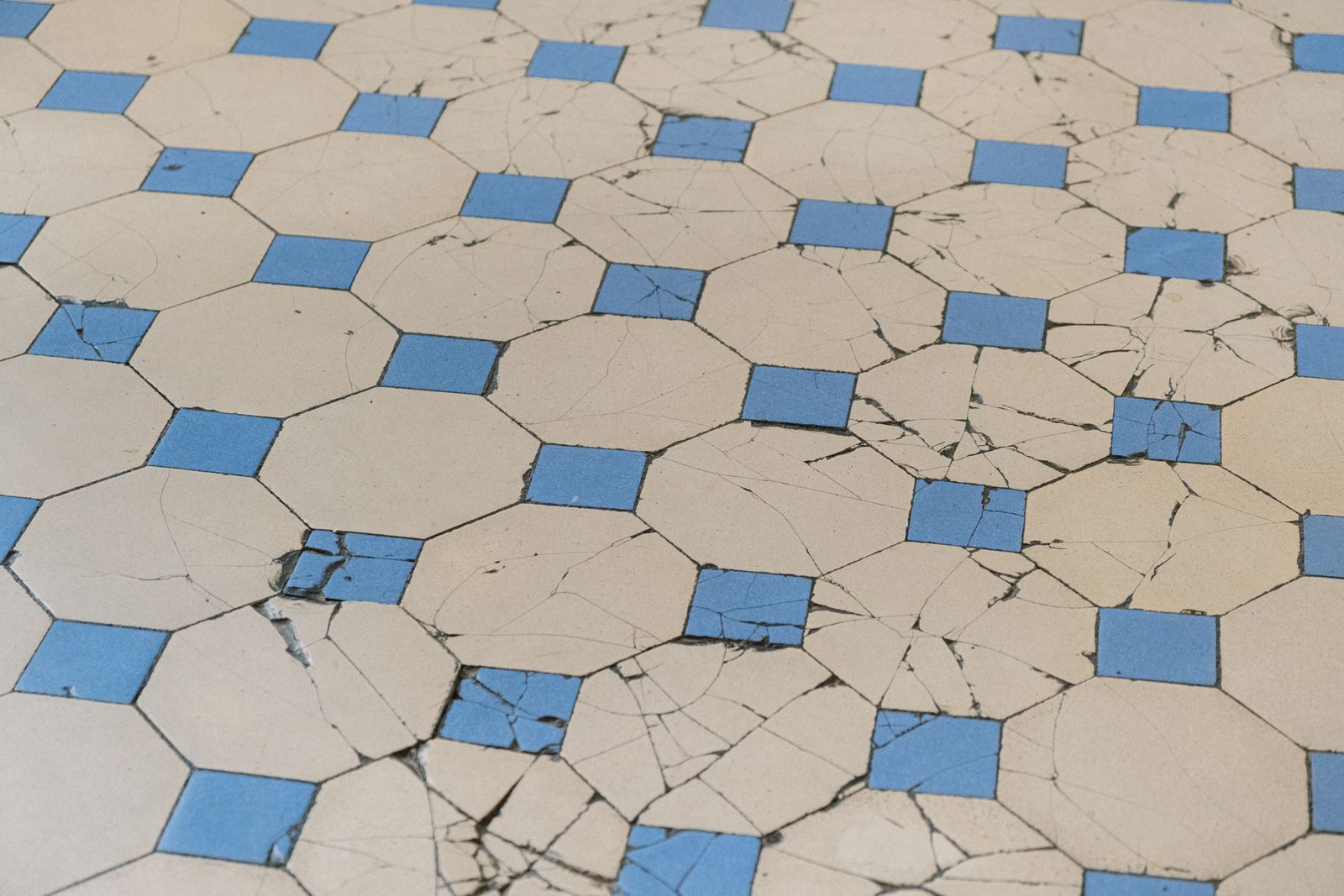
Water escaping under the slab often shows up through the flooring before it shows anywhere else. Carpet that feels damp along one area, laminate or wood that starts to cup or lift, grout that stays dark, and new cracks in tile near a damp patch are all worth noting.
Warmth is a clue of its own. A patch of tile that feels warmer than the rest of the room points to the hot line, which is covered in more detail on the hot water page. Along walls, look for baseboards that are swelling or staining at the bottom, and for paint that bubbles just above the floor.
Outdoor clues near the foundation
Some leaks show up outside. Look along the foundation for a patch of soil that stays wet when everything around it is dry, or an area where the grass is noticeably greener without any sprinkler reason. Water pooling against the slab with no rain and no irrigation running is also worth a look.
Outdoor signs are easy to confuse with sprinkler leaks or drainage, so treat them as one piece of the picture rather than proof on their own. If you have sprinklers, make sure they are off during the water meter test so the two are easier to tell apart.
| Sign | What it can mean | Rule out first |
|---|---|---|
| Meter moving, all off | Water leaving the system | Running toilet, dripping spigot, irrigation |
| Bill jumped | Hidden water loss | Seasonal use, billing changes, guests |
| Warm patch of floor | Hot line leaking below | Sunlight, nearby ducts or appliances |
| Damp carpet, lifting floor | Water rising through the slab | Leaks from a nearby wall, toilet or appliance |
| Sound of running water | Pressurised line escaping | Ice maker, water softener, irrigation cycle |
When it isn't a slab leak
Plenty of things can move the meter or raise the bill without any slab leak. Toilets that run or refill on their own, a dripping outdoor spigot, a leaking irrigation line, an ice maker line, or a water softener cycling can all be the cause. Wall leaks usually show stains or soft drywall near the source, and a leaking dishwasher or washing machine usually leaves water right around the appliance.
The tech checks these simpler causes first, because ruling them out is part of finding a slab leak properly. If it turns out to be something simpler, you'll be told.
What to do next
If the meter test shows water moving with everything off, or two or more of these signs line up, the next step is slab leak detection: a visit to confirm the leak and pinpoint it without breaking the floor. From there you'll hear the repair options with upfront pricing.
Start keeping notes now. Photos of damp areas, the dates you noticed each sign and copies of recent bills are useful to the tech, and they're the same records people need for slab leak insurance conversations.
Meter still moving with everything off? That's the clearest sign. Call and a local tech can confirm it.
Describe the problem, we'll dispatch
Signs to watch for in Seagoville homes
Which signs show up first depends a lot on the house. In the older ranch homes on the town streets, people often notice damp carpet or a creeping water bill before anything else, because older copper tends to leak slowly at first. If that sounds familiar, the page on slab leak repair in Downtown Seagoville covers those homes in more detail.
In the newer PEX-plumbed subdivisions, leaks are less common and often sudden, so a moving meter or water appearing at a floor joint may be the first sign. Out on the acreage, many homes aren't on slabs at all, so the signs of a slab leak in Seagoville don't apply in the same way; see slab leak repair in South Seagoville for how that part of town differs.