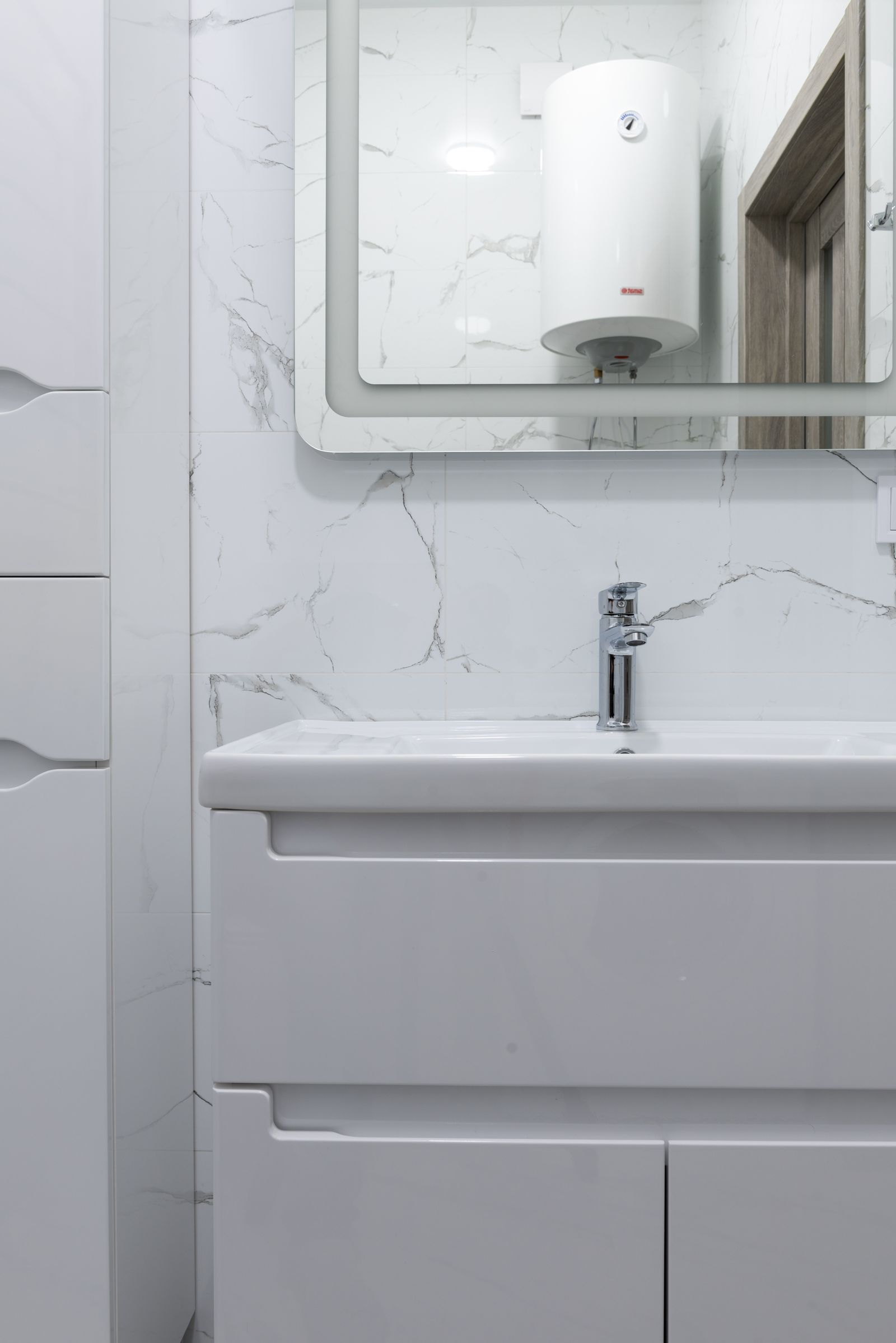
If one part of your floor feels warm and the water heater seems to run all day, you may be dealing with a hot water slab leak in Seagoville. Hot water is escaping from the line under the concrete, warming the slab above it, and the heater keeps working to replace what's lost.
We connect Seagoville homeowners with experienced local plumbing pros who find and fix these leaks. Call and describe the warm spot, what the water heater is doing and how long it has been going on. A tech can be dispatched the same day where available, and in the meantime there's one simple step that can slow the leak, explained below. Not sure the warm spot is a leak at all? The slab leak Seagoville home page lists the other signs worth checking.
Why a hot water leak under slab is so common
Plumbers who work on slab homes generally find that the hot side gives more trouble than the cold. The reasons are general rather than exact: hot water lines expand and contract every time the tap runs, heat speeds up wear on older metal pipe, and where a line rubs against concrete or gravel, that movement adds up over the years.
None of that means every hot line will leak, and the cold side can fail too. It does explain why a hot water leak under slab is one of the most common slab leak calls, and why techs often check the hot side first when a floor feels warm.
A warm spot on the floor, and the pets that find it
Hot water escaping under the concrete warms the slab above it. On tile or stone, you may feel a patch that's noticeably warmer than the rest of the room, sometimes in a strip that follows the line. On carpet or wood it's harder to feel, though some people notice it in bare feet first thing in the morning.
Pets often notice before people do. A cat or dog that suddenly prefers one spot on a hard floor, especially in cooler months, is worth paying attention to. A warm spot on floor tile isn't proof on its own, but combined with a busy water heater, it's a strong clue. Try walking the room barefoot and noting where the warmth starts and stops; that rough outline helps the tech decide where to begin.
Water heater always running?
A tank water heater refills with cold water whenever hot water leaves it. If hot water is leaking somewhere, the tank keeps refilling and reheating, even when nobody is using water. You may hear the burner or elements cycling more often, notice the heater working at odd hours, or see your energy bill climb along with the water bill.
A water heater always running can also have other causes, such as a dripping hot tap or a heater that needs attention itself, so the tech checks those too. When the heater is busy and the floor is warm, though, the hot line under the slab becomes the prime suspect.
| Clue | Points to the hot side | Points to the cold side |
|---|---|---|
| Floor temperature | A warm patch or strip | No change, sometimes a cool damp area |
| Water heater | Runs often, even with no use | Normal operation |
| Water meter | Moves with fixtures off | Moves with fixtures off |
| Bills | Water and energy both rise | Mostly the water bill rises |
What to do while you wait
The single most useful step for a suspected hot-side leak is to slow the flow into the line. Closing the cold-water supply valve at the water heater stops the tank from refilling, which slows how much water reaches the leak. Leave the heater's gas and electrical controls alone; the tech will deal with the heater safely if it needs attention. Cold water keeps flowing to the rest of the house, so toilets and cold taps still work.
Repair options for a hot-side leak
Once the leak is located, the tech walks you through the realistic routes, each with upfront pricing. A spot repair through a small opening fixes the failed section where it is. Rerouting the hot line through the attic or walls takes it out of the slab entirely and is a common choice when the hot side is older. If leaks have happened before, replacing the supply lines throughout the house may be worth pricing too.
It's also worth reading up on the signs of slab leak problems more broadly, and on slab leak insurance paperwork, because photos and notes taken now are easier than ones reconstructed later.
Warm floor and a busy water heater? Close the heater's cold supply, then call.
Talk to a slab leak pro now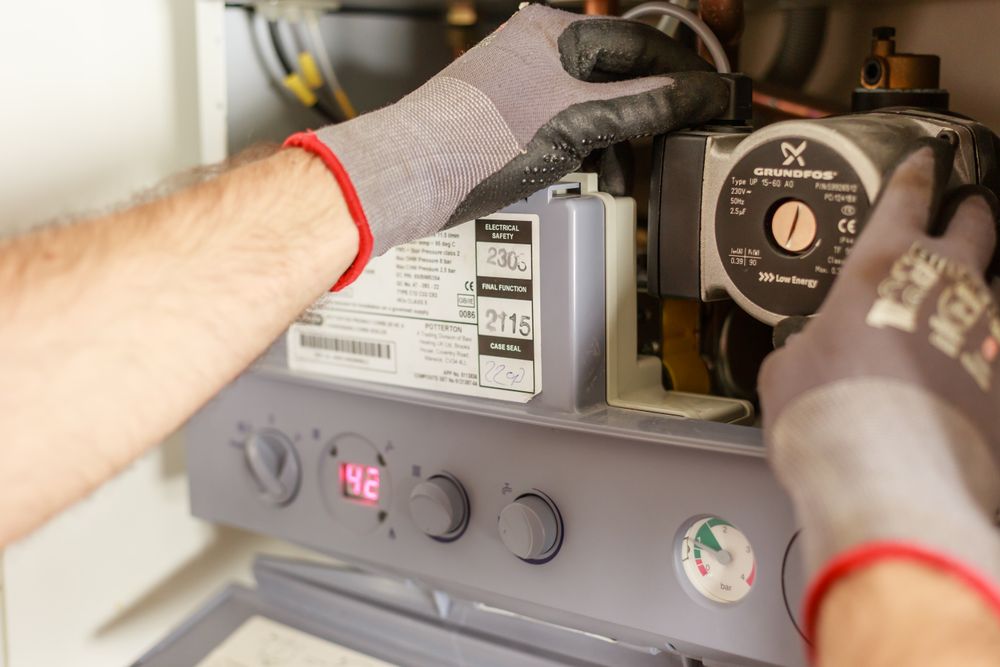
Hot-side leaks in Seagoville homes
In the 1980s and 1990s neighbourhoods, many of the warm-floor calls come from copper hot lines that have reached leak-prone age. A hot water slab leak in Seagoville homes of that era often leads to a conversation about rerouting the hot side, and it's a common reason people look into slab leak repair in North Seagoville.
The newer PEX homes see fewer hot-side leaks, and when one happens it's more often at a single fitting. That makes a spot repair more likely to be the answer, which is typical of slab leak repair in South Seagoville. In the oldest ranches on the town streets, the hot line is often the first part of the system the tech will suggest moving out of the slab.