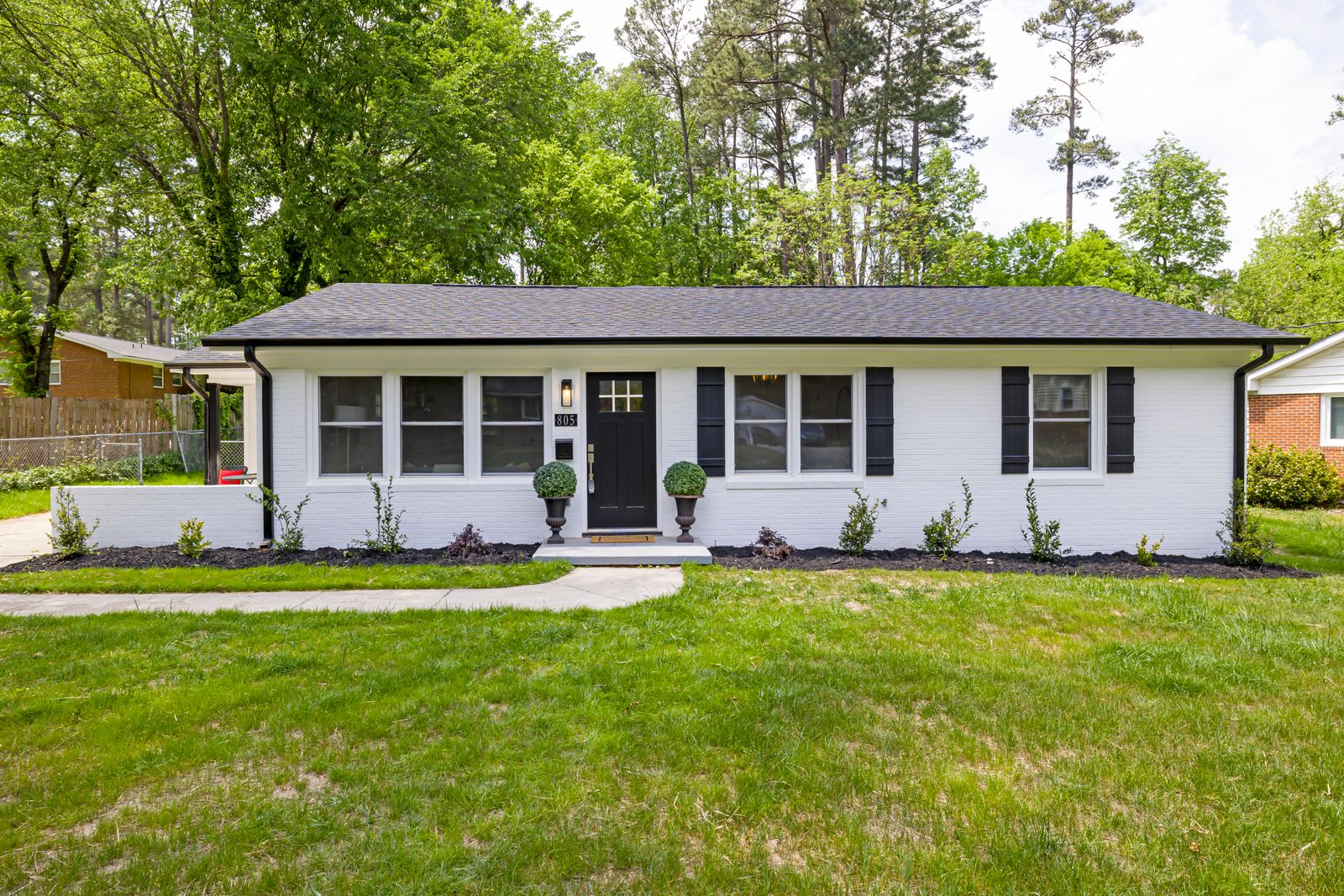
Most calls for slab leak repair in North Seagoville come from houses built in the 1980s and 1990s, and there's a reason for that. Their copper supply lines have now been under the slab for three or four decades, which is the stretch of life when pinholes and joint failures begin to show up. If your meter is moving or a floor feels warm, a local tech can pinpoint the leak and walk you through the options before any work begins.
The homes in these neighbourhoods
The housing here is largely subdivision building from the 1980s and 1990s: single-story slab ranch homes. Homes of that era were generally larger and more open than the ranches of earlier decades, and many were laid out with the main bedroom and its bathroom at one end of the house and a second bathroom elsewhere.
That layout shapes the plumbing. With bathrooms at opposite ends and the kitchen in between, the supply lines under these slabs tend to be longer and branch more than in an older ranch. Water usually enters near the garage or front of the house, and runs under the floor to the kitchen, the hall bathroom, the main bathroom and the laundry area, with the water heater commonly in a garage or utility closet in homes of this era.
Copper was the standard for those runs in this period. Many homes in these streets still have their original lines, even where kitchens, floors and bathrooms have been updated since. Single-story homes like these usually have attic space that can give a tech a practical alternative route if the slab line needs replacing. Many owners here have lived with the original plumbing for years without a problem, which is exactly why a first leak can come as a surprise.
Where the leaks come from
The common thread is age. Copper of this vintage, after decades of contact with concrete and soil, can thin at bends, develop pinholes and weaken where fittings were joined. The hot side often fails first because of constant heating and cooling, which is why warm floors are such a frequent complaint here.
Clay soil adds stress. When clay ground swells in wet spells and shrinks in dry ones, a slab can move very slightly, and so can the lines inside it. Over the years that movement works at joints and at any point where a line rubs against concrete.
Because the lines in a given house are all the same age, one leak is often a sign of others to come. That's why owners here face a real decision after the first or second leak: repair the spot, reroute the line, or replace the supply system. There's no single right answer for every house, but there is a right answer for yours, and it starts with knowing exactly where the water is going.
Slab leak detection in North Seagoville homes
Longer, branching lines mean more places a leak can hide, so slab leak detection north of the old town centre is methodical. The tech confirms water loss with the meter, isolates hot and cold with a pressure test, traces the line routes, then uses acoustic listening and thermal imaging to narrow down the spot. The aim is a mark precise enough that, if an opening is needed, it's small.
In homes with a bathroom at each end, the tech often checks each branch separately. Knowing whether the loss is on the run to the main bathroom, the hall bathroom or the kitchen helps decide whether a short reroute of one branch is enough or whether more of the system needs attention.
What a slab leak plumber in North Seagoville checks first
A slab leak plumber north of the town centre starts with history. Has the house had a slab leak before, and where? Has any plumbing been replaced, and when? Are there patches in the floor from earlier work? In a home of this age, that history often tells the tech more than any single test.
Then come the practical checks, usually in this order:
- The meter with everything offA moving dial confirms the loss before any equipment comes out.
- The water heater and its connectionsThe hot line starts here, and warm floors are a frequent complaint in homes of this era.
- Hot and cold sides, then each branchIsolating the runs to each bathroom and the kitchen narrows the search early.
- The attic accessA reroute through the attic is often part of the conversation, so the tech checks there is a workable route overhead.
Warm floor in a 1990s home? It's one of the most common calls in this part of town.
Reach the on-call teamFrom your call to the fix
You call, and a person answers day or night. A tech who covers Seagoville is dispatched, the same day where available. They locate the leak, then lay out the routes with upfront pricing: a slab leak spot repair for a first leak on a sound line, a slab leak reroute through the attic when the line is ageing or the leak sits under finished floors, or a repipe after slab leak trouble has struck more than once. You choose before any work starts.
Other neighbourhoods and related services
Older homes closer to the town centre are covered under slab leak repair in Downtown Seagoville, and newer subdivisions and acreage under slab leak repair in South Seagoville. For a wider overview, visit the slab leak Seagoville home page.